
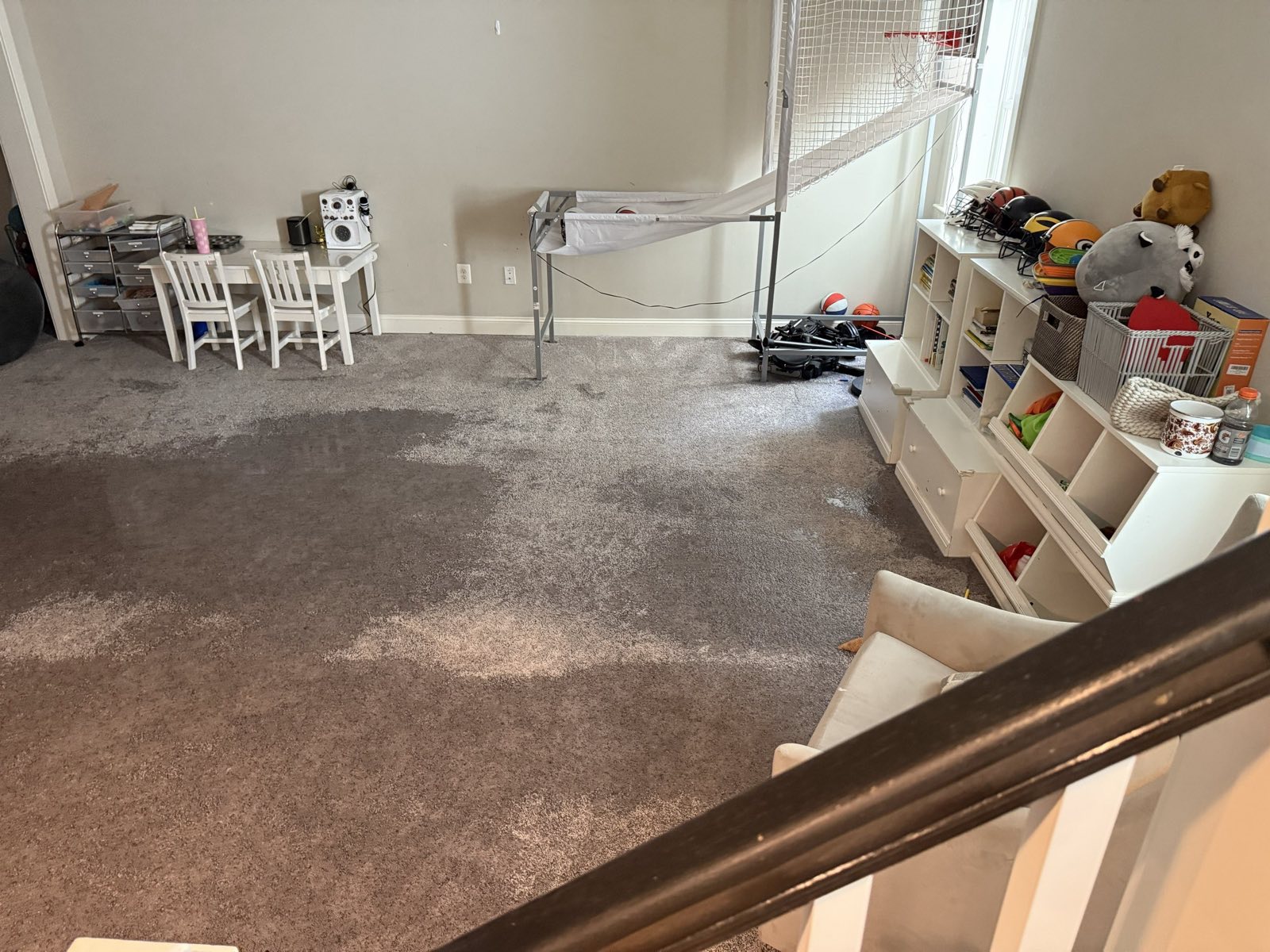
Water Damage Restoration in Miami & Miami-Dade County
Emergency extraction and structural drying for waterfront homes, beach condo towers, and 1950s block ranches across Miami and Miami-Dade County — dried the way this coastline actually behaves.
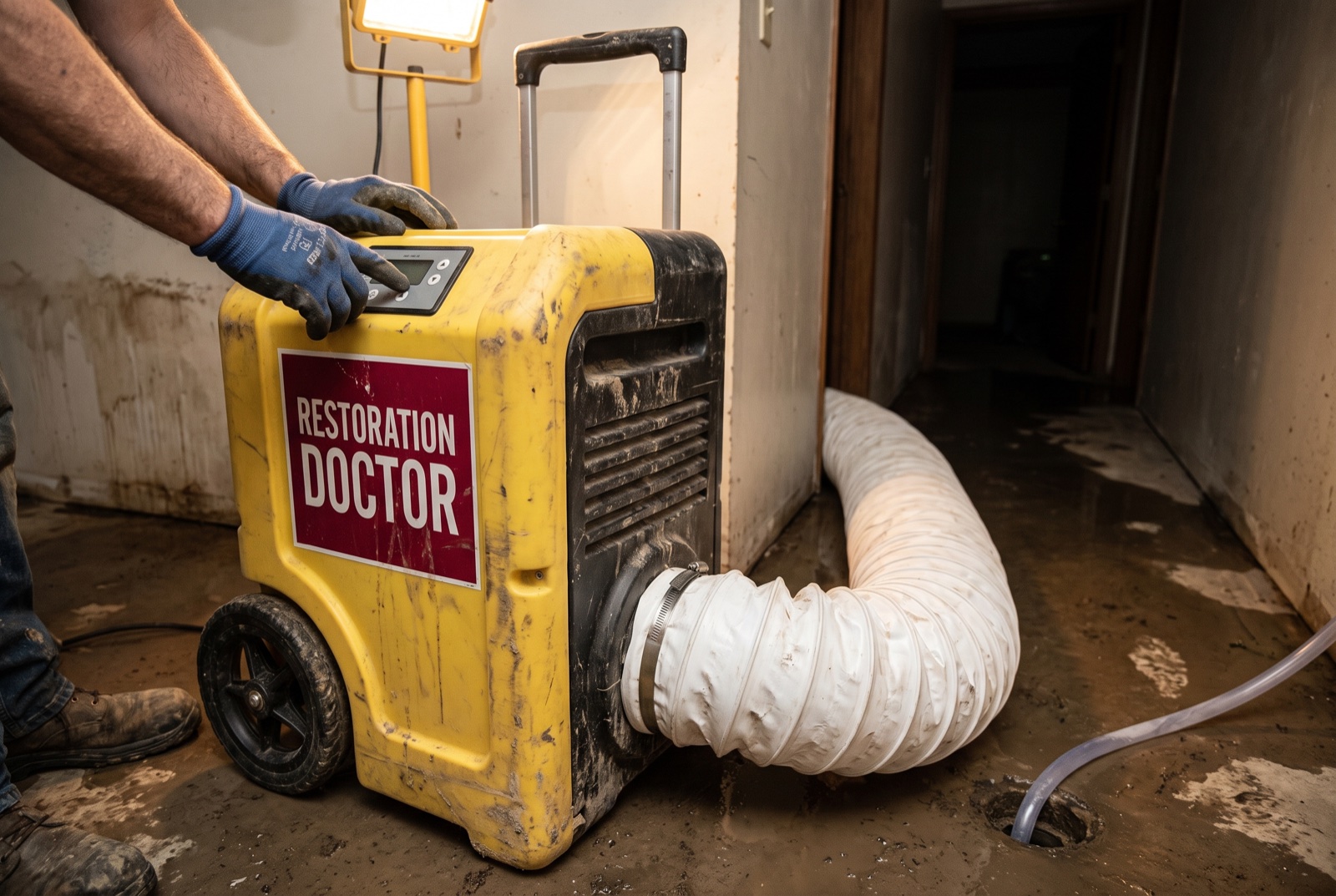
The equipment this work takes
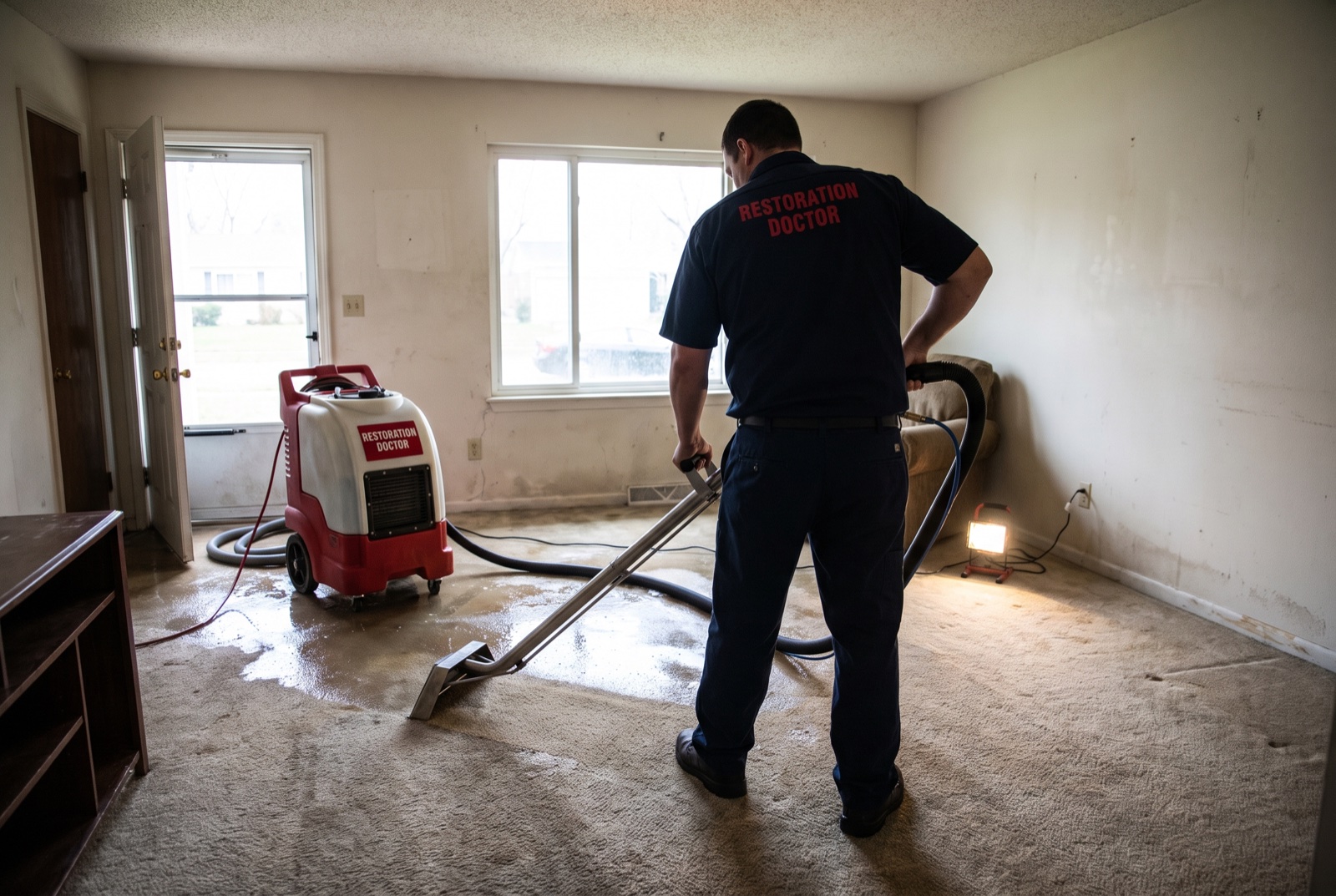
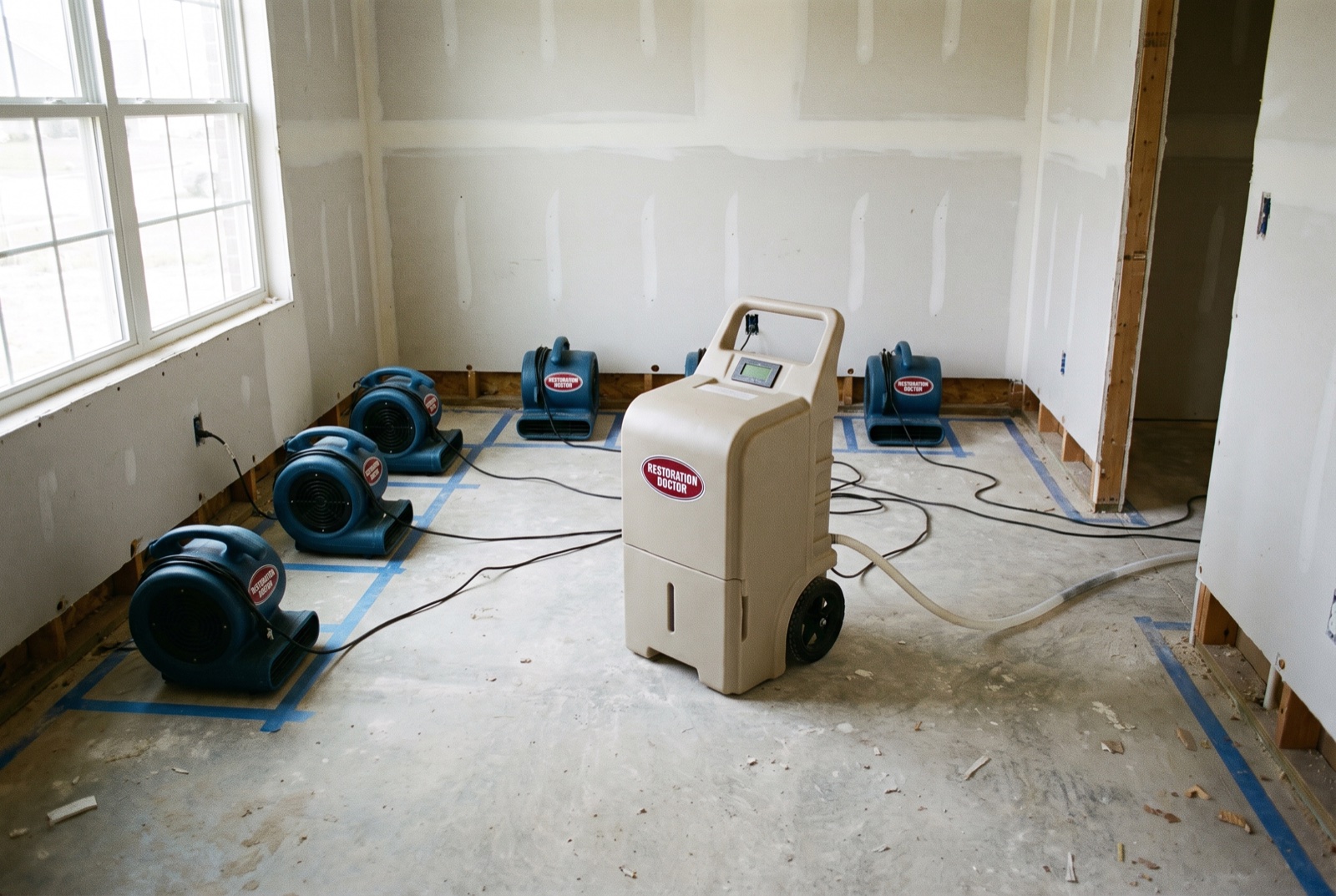
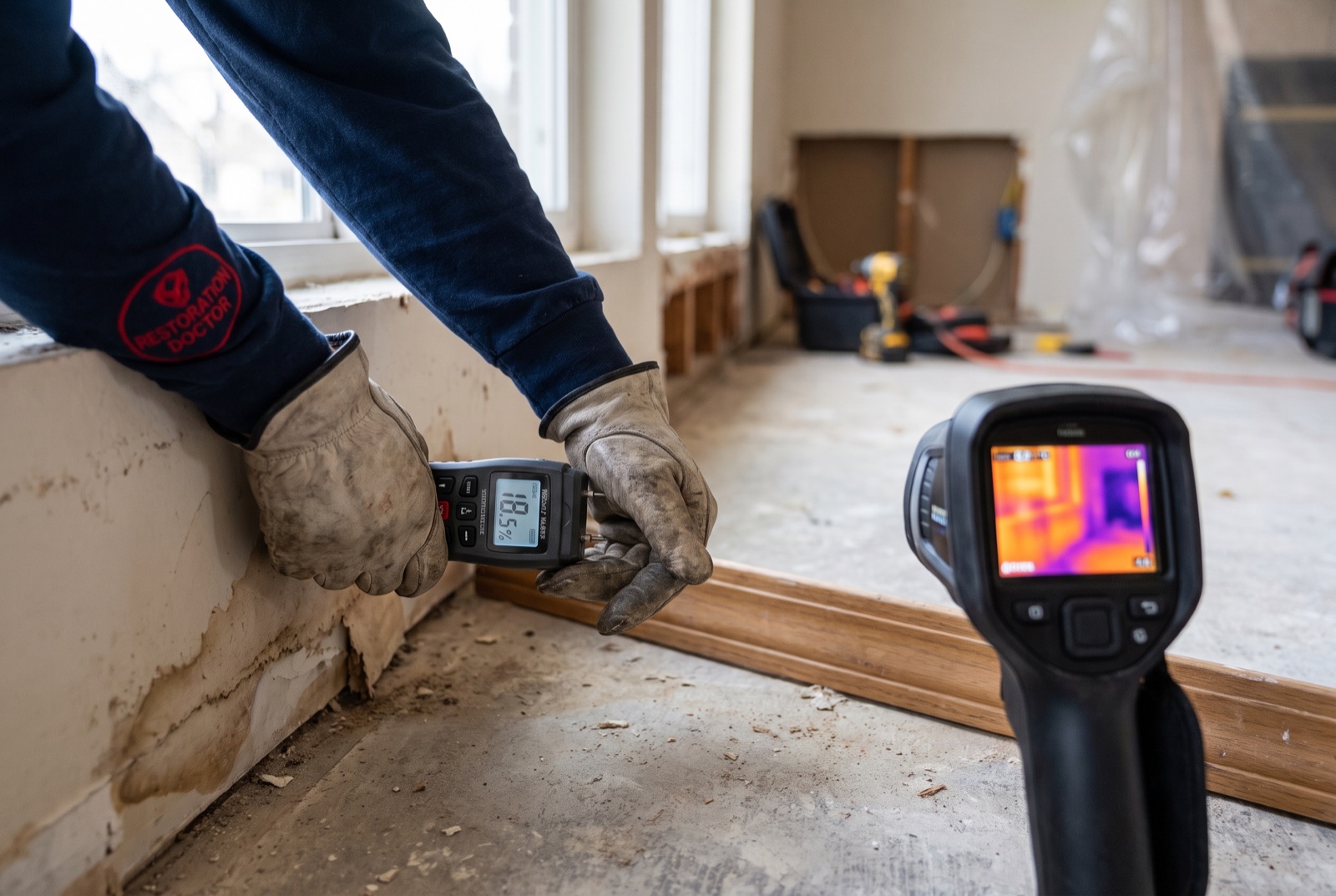
Illustrative views of the gear our crews stage on this class of loss — shown to explain the process, not as photos of any specific customer job.
Miami is a water city, and water losses here act like it
Miami earned the nickname the Magic City honestly: Miami-Dade maintains roughly 168 miles of secondary drainage canals that thread the county from Brickell to Coral Way and feed the regional system discharging into Biscayne Bay, and the water table sits close enough to the surface that most of the city lives a few feet above it. That geography changes what water damage restoration in Miami has to account for. When a supply line ruptures inside a canal-front home, the drying crew is fighting not only the water from the pipe but a saturated environment where the ground itself is damp and the outdoor air rarely drops below muggy. There is no natural drying assist here. A wet wall left alone does not equalize with the surroundings the way it would in a drier climate — it simply stays wet and starts to spoil.
That matters because the IICRC S500 standard treats time as a variable, not a footnote. Clean Category 1 water begins degrading toward Category 2 within roughly 48 hours in warm, humid conditions, and toward Category 3 not long after. Miami-Dade's year-round warmth and coastal humidity compress that clock. A slab home in Coral Gables that takes on clean water from a burst valve on Saturday can present a contamination and microbial concern by Monday if nothing was done. Speed is not an upsell in this market; it is the whole game.
Restoration Doctor of Miami runs 24/7 dispatch into Miami and across Miami-Dade County from our South Florida operations center in Miami. Every first visit chases the same three objectives: kill the source, pull standing water before it migrates through the slab or into cavities, and stand up a closed, mechanically dehumidified drying environment. Opening the sliders to a breezy afternoon off the Miami River feels intuitive and makes the problem worse — that ocean air is wetter than the air inside your damaged home.
Slab ranches versus beach towers: two building types, two drying strategies
Miami-Dade's housing stock splits into camps that demand opposite approaches. Much of Miami proper, plus Coral Way, Aventura, and the older inland neighborhoods, was built out in the 1950s and 1960s as concrete-block-on-slab ranch homes — terrazzo or tile laid directly over a poured slab, jalousie-era construction, no crawlspace and certainly no basement, because you cannot dig a basement into South Florida's high water table. When water hits a tile-on-slab floor, it does not soak downward into a wood subfloor. It runs sideways beneath the tile through the thin-set and slab pores, wicks up the bottom edge of the drywall and the block, and hides in places a mop will never reach. Surface-dry tile routinely sits over a slab that is still holding water days later.
The beach and Intracoastal corridor tells a different story. The condo towers along Miami Beach, the Brickell high-rises, and the mid-rises lining the Intracoastal are post-tensioned concrete with lightweight assemblies, shared plumbing chases, and hard interior finishes over gypsum. Water in a tower travels vertically and along the concrete deck, surfacing floors below where it entered. A restoration company that runs one playbook across both building types will get it wrong twice — tearing out block-wall material that could have been dried in place, or leaving moisture sealed under a tower's flooring to feed mold behind the baseboards.
We scope the building before we scope the loss. On a slab ranch, that means mapping how far water traveled laterally under the flooring and whether the block cavity took on water; the answer decides between in-place drying and targeted flood cuts. In a tower, it means tracing the migration path through the concrete deck and the chases, because the unit with the wet ceiling is frequently not the unit where the pipe failed.
The leaks and intrusions we answer most across Miami-Dade
Interior water losses in Miami cluster around a handful of usual suspects. Braided steel supply lines under sinks and behind toilets fatigue and let go with no warning. Polybutylene and aging CPVC — common in homes and condos of a certain era — turn brittle and split. Water heaters fail in interior closets and garages. And the distinctly Florida culprit: air-conditioning condensate lines. Air handlers here run almost year-round, and when a condensate line clogs with algae, the overflow finds its way into ceilings, closets, and wall cavities, often above finished living space. We see condensate losses in condos and single-family homes in every month of the year.
Then there is the water that starts outside the building. Miami's seasonal king tides push saltwater up through storm drains and over low seawalls, and many of the city's seawalls date to the mid-century canal build-out and are near or past their service life. When a tide overtops an aging seawall or the drainage backs up, ground-level living space, garages, and ground-floor condo units take on brackish water. That intrusion is not clean water. It carries whatever the tide and the street collected, and it gets scoped as contaminated from the start. Homes on the fixed-bridge canals and the barrier-island neighborhoods see this most, but inland low spots flood too when a king tide coincides with heavy rain.
Whatever the origin, our process runs to IICRC S500: classify the water category and the saturation class, map moisture with meters and thermal imaging, extract, then build a drying system sized to the real load. Air movers release moisture from surfaces; low-grain refrigerant dehumidifiers strip it from the air in a sealed environment; specialty tools — mat systems for tile-on-slab, cavity injection for wall assemblies — save material where the numbers justify saving it. Drying continues until materials hit documented dry-standard targets confirmed by daily logged readings, never until an arbitrary number of days has elapsed.
Documentation your Miami claim can actually rely on
A water loss is simultaneously a construction event and an evidence event, and in a coastal market where wind, flood, and plumbing coverage all live in different places, the evidence has to be airtight. Our crews photograph every phase with date and time stamps, keep daily moisture logs from a pre-drying baseline through final verification, and write estimates in Xactimate, the platform most adjusters read natively. You receive a complete file: cause-of-loss documentation, category and class determinations with the S500 reasoning behind them, equipment records, and the drying data.
About roles, plainly: we are your restoration contractor, not your insurance representative or a public adjuster. We document the loss so thoroughly that your adjuster can evaluate it quickly, and we hand that file to you. We do not negotiate your claim or speak for you with your carrier. What we will tell you is that your policy — not anyone's sign-off — is what triggers coverage for a covered loss, and Florida law leaves the choice of restoration contractor with you, the property owner. Mitigation should begin the moment a loss is discovered; policies generally expect owners to take prompt steps to prevent further damage, and in this climate every hour of delay hands ground to mold.
On cost, a single-room dry-out and a multi-unit contaminated loss belong to entirely different price ranges, and any company quoting a flat number over the phone is guessing at your expense. What we commit to is a written, line-item scope before work begins beyond emergency stabilization, with any changes documented in writing when hidden conditions surface.
Frequently asked
Active water, mold, fire, or sewage event?
Connect directly with the Restoration Doctor team for your region. Crews are on standby 24/7 with documented response protocols.