
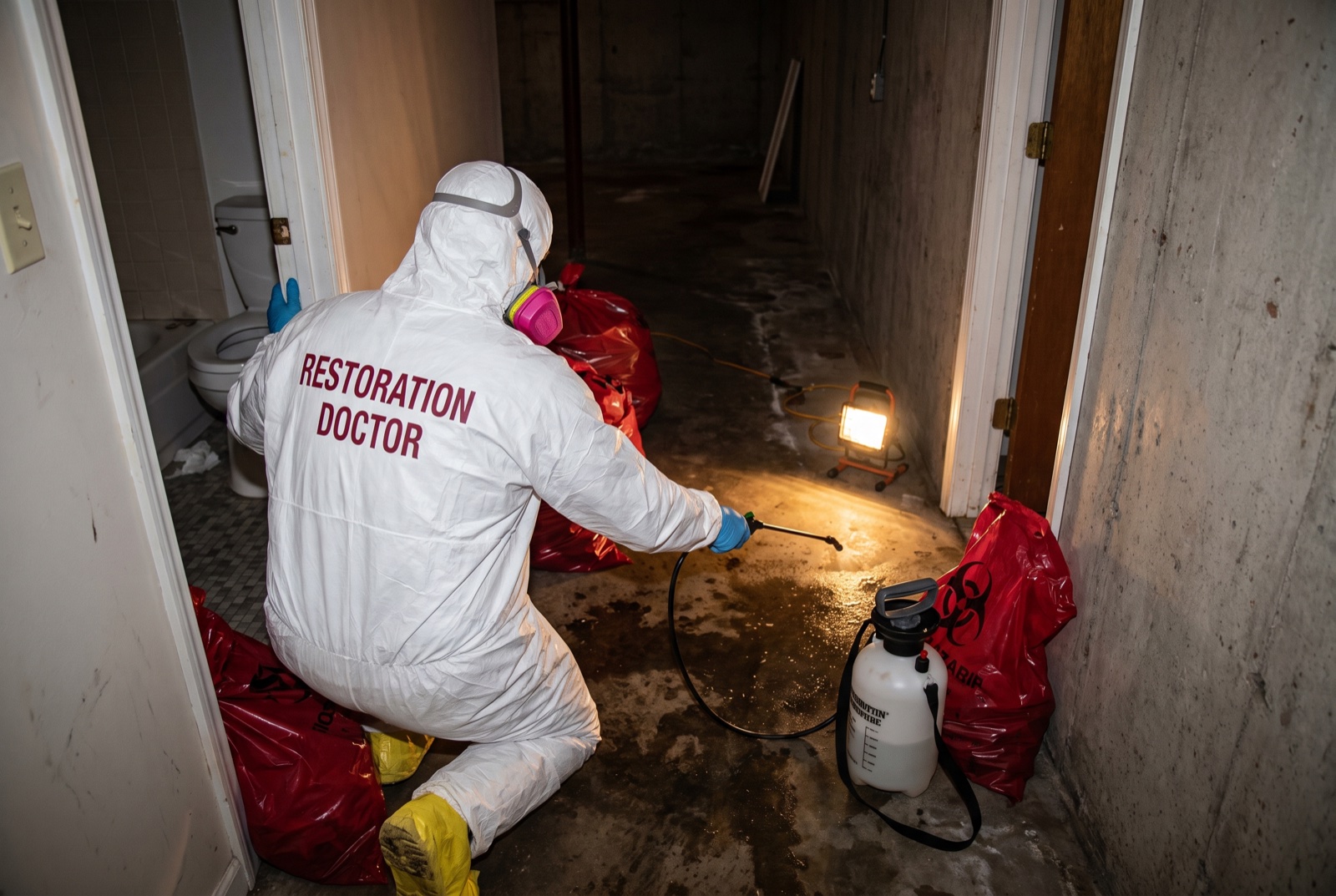
Water Damage Restoration in Little Havana, Miami
Water damage restoration Little Havana Miami residents and landlords search for is, most of the time, an older-building and multifamily question. One of Miami's oldest and densest neighborhoods, Little Havana is packed with 1920s-through-1950s wood-frame and masonry bungalows, small apartment buildings, and duplexes on tight lots — housing that has been serving hard for the better part of a century, on original plumbing and drains that show it. When water gets in here, it is usually the building's own aging systems, and in a multifamily building it rarely stays in one unit. Restoration Doctor of Miami responds 24/7 at (888) 293-5663 from our Brickell operations center just east.
The neighborhood also sits low, and it borders the Miami River. Flooding from intense rain and, along the river, from tidal and riverine rise reaches Little Havana's low streets and ground-floor units, and its older drainage struggles to keep up. Between failing pipes inside and rising water outside, the losses tend to be the losses of a dense, historic, working neighborhood — quick to spread through shared walls and drains, and quick to grow mold in Miami's heat.
We treat a Little Havana loss with the multifamily reality in mind: contain it, keep it from crossing units, and document each affected unit cleanly so owners, tenants, and any association or insurer see exactly what happened. Here is how the neighborhood's older construction, aging plumbing, and river-and-rain flooding shape restoration.
How we dry Little Havana properties
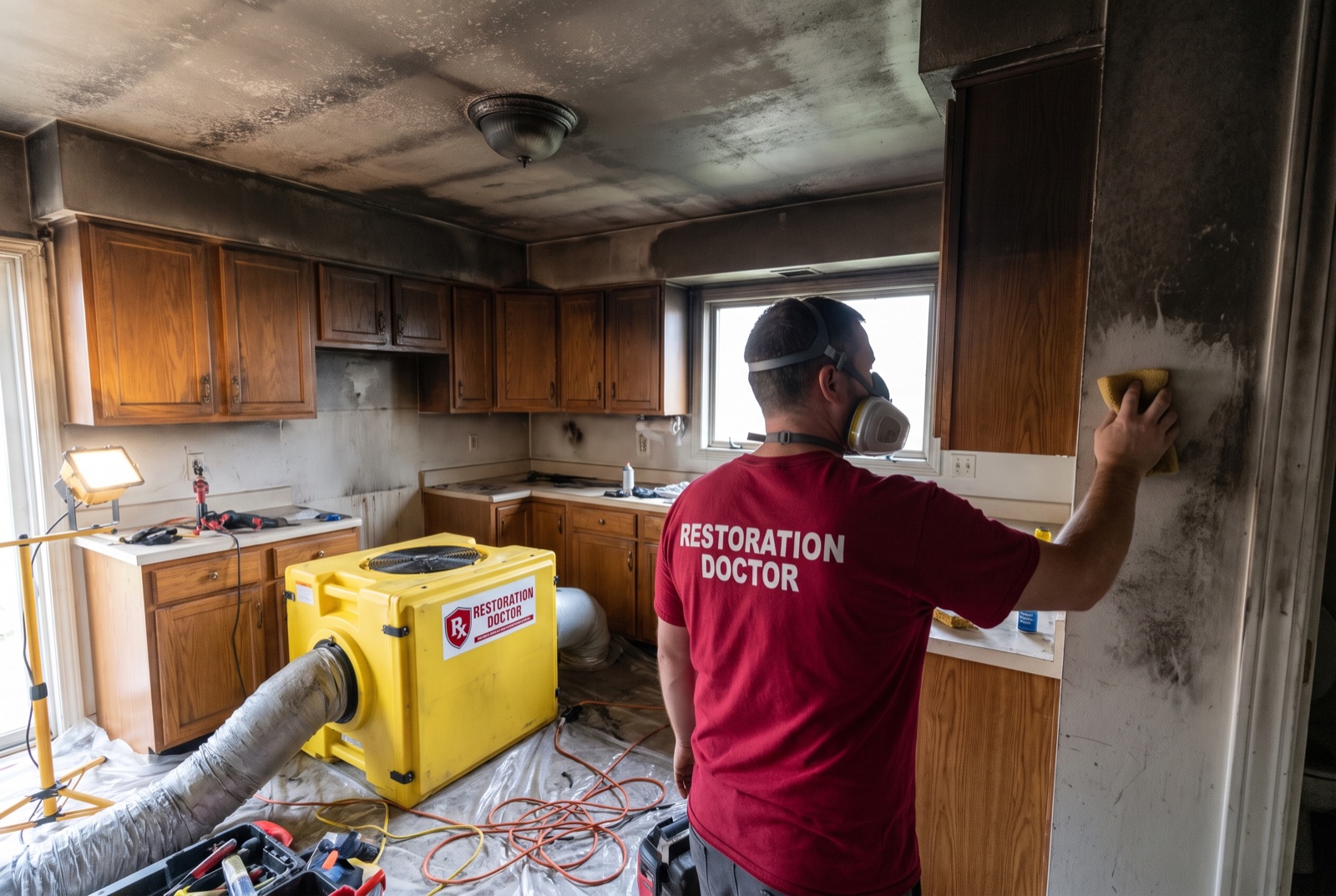
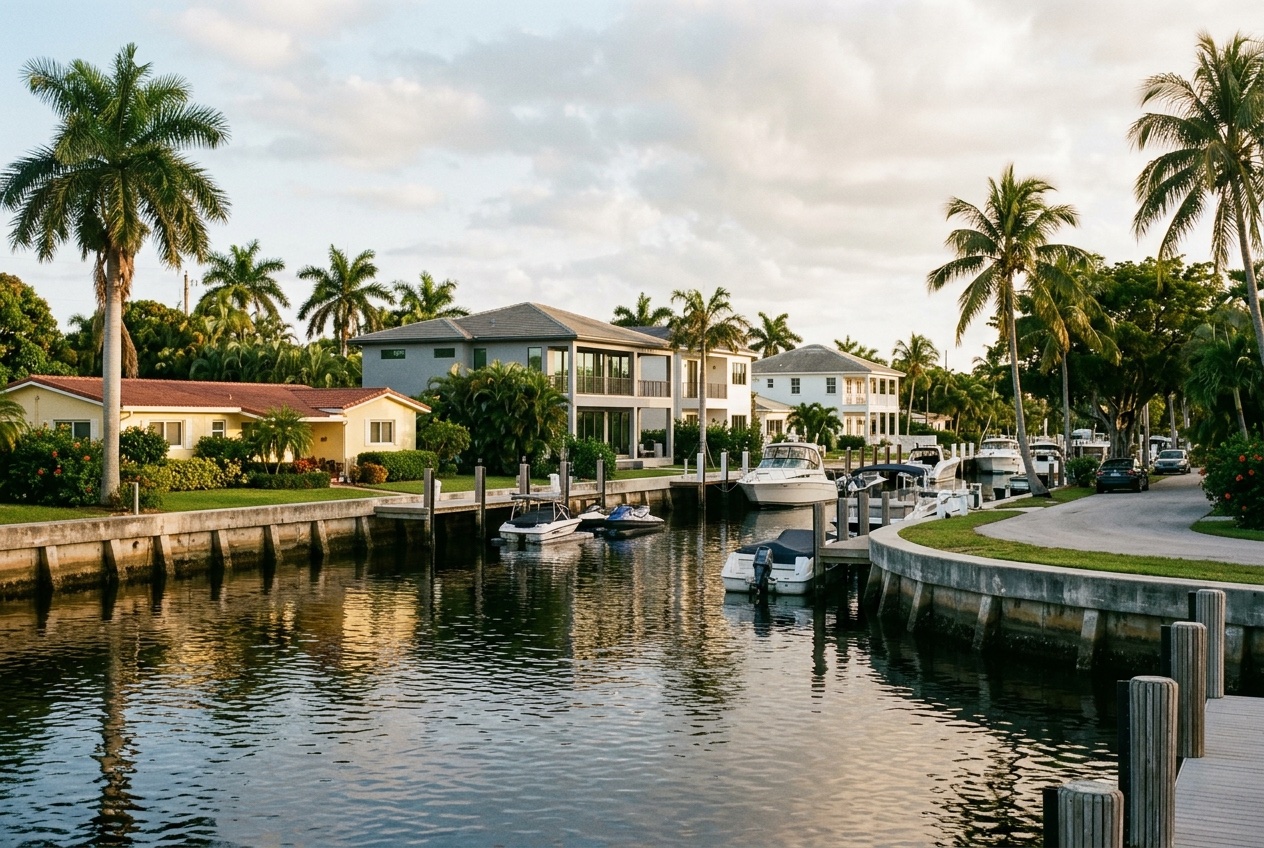
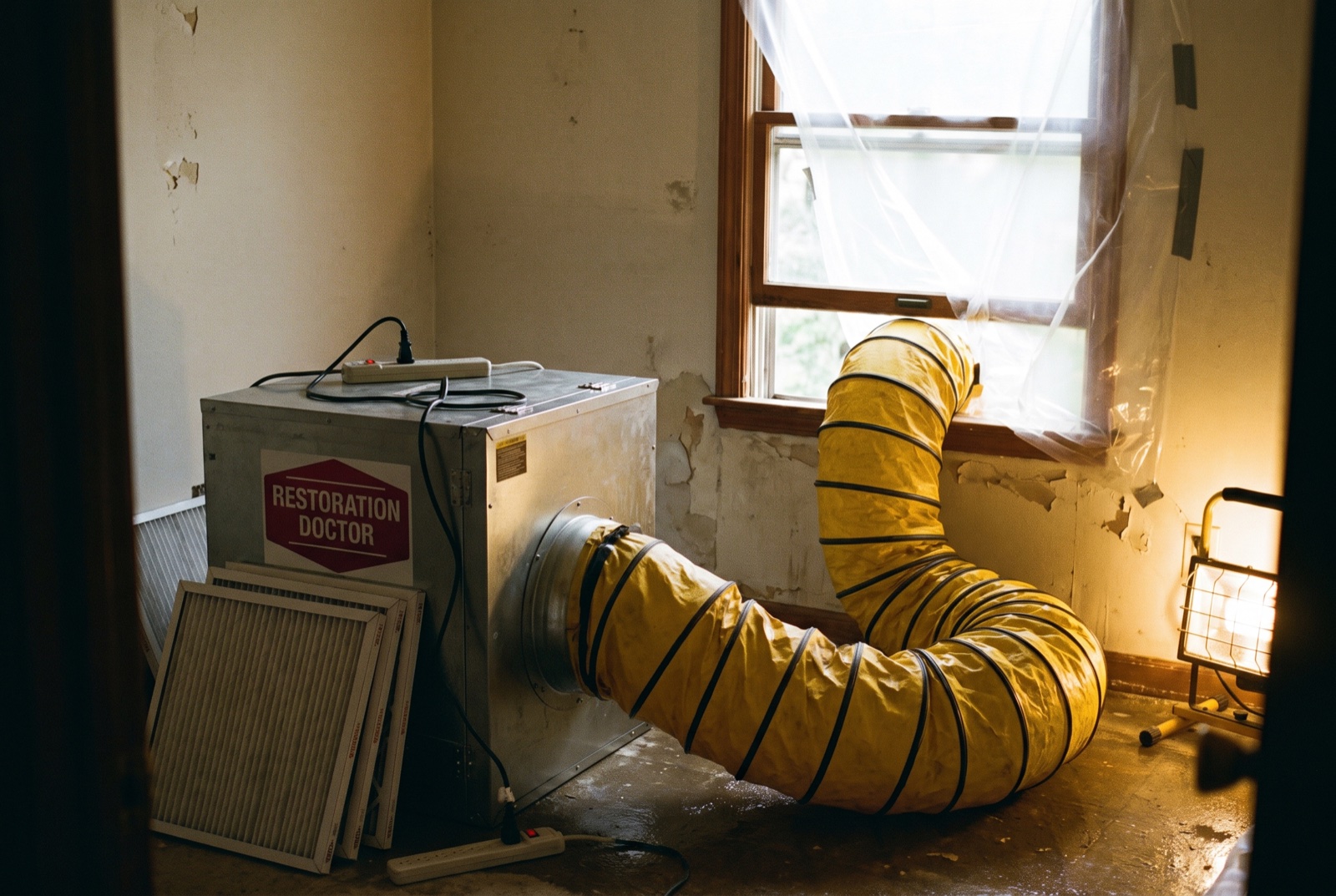
Illustrative views of the equipment and process our crews deploy — extraction, air movers, LGR dehumidification, moisture mapping, and containment.
How water damage behaves in Little Havana
Aging cast-iron drains and multi-unit backups
A large share of Little Havana's losses trace to original drain piping. Buildings put up in the 1920s through the 1950s still drain through cast-iron lines that have scaled, channeled, and cracked over decades in Miami's aggressive, humid conditions, and the failure pattern is predictable: the pipe narrows, catches solids, and eventually backs flow up into the lowest fixtures. In a small apartment building, a blocked or collapsed shared stack can push several units' drainage into one unlucky ground-floor unit, and that backup is Category 3 contaminated water under IICRC S500 — handled with PPE, containment, removal of contaminated porous materials, and disinfection, not fans.
Our role is the contamination and drying side — containment, removal, disinfection, and unit-by-unit documentation — while the pipe repair itself is done by a licensed plumbing contractor. The two have to be coordinated, because mitigating a backup without fixing the failed stack invites a repeat. For older Little Havana buildings with more than one backup, a camera inspection of the drains costs far less than a third contaminated loss, and documented pipe condition builds the record if the failures become an insurance or ownership matter.
Miami River and rain flooding at low elevation
Little Havana sits low, and its northern and eastern edges run down toward the Miami River. Intense rain events overwhelm the older drainage and sheet across low streets into ground-floor units, and along the river, tidal and riverine rise adds brackish flooding to the mix. Rising water is contaminated under IICRC S500 and generally excluded from standard homeowner and dwelling policies — addressed, if at all, under separate flood coverage. Policies vary and we make no promises, but we document the entry path and water direction carefully so the loss is classified from evidence.
For landlords and multifamily owners, that documentation does double duty across property and, where it applies, loss-of-rent exposure. We work for you, not the carrier: the file we build — entry path, affected units and materials, timeline — is yours to give whichever policies apply, and we do not negotiate the claim on your behalf.
Density, humidity, and stopping the spread
In a dense neighborhood of shared walls and Miami humidity, a water loss spreads and molds fast. Saturated framing and drywall in a shared wall can begin supporting growth within a couple of days and can carry moisture and spores into the adjoining unit, so containment and immediate drying are not optional here. We start extraction and structural drying on the first visit, monitor to documented targets, and remediate established growth under IICRC S520 with containment so the problem does not migrate through the building.
And the decision to begin is yours. As an owner — or a tenant acting to protect your home — you can begin emergency mitigation immediately to stop ongoing damage without waiting on anyone's approval. We work for you, not the insurance company: we start on your authorization, keep the loss from crossing units, and hand you the documented, carrier-ready file.
Little Havana homes and how they fail
Little Havana's housing is old, dense, and mixed: 1920s-1950s wood-frame and masonry bungalows, Mediterranean and vernacular cottages, small two- and four-unit apartment buildings, and duplexes, with newer infill scattered among them. Wood frame, plaster, and early masonry hold water and hide it, and the tight lots and shared walls of the small multifamily buildings let a single failure affect several units. Reading the visible waterline understates these losses, so our drying work relies on thermal imaging and meters to find water in the framing and wall bases.
Because the buildings are old, the failures are the building's systems. Original galvanized supply lines, decades-old cast-iron drain stacks corroded by South Florida's conditions, aging roofs, and window and door details that were never watertight are the recurring sources — along with the condensate lines of window and split A/C units running year-round. In multifamily buildings a failed shared drain stack is a classic Little Havana loss, pushing the drainage of upper units into a lower one, and our documentation separates each unit's damage so responsibility can be sorted on evidence.
Little Havana neighborhoods we serve
Real Miami-Dade County communities — and the water losses we most often see in each.
Dense historic commercial-and-residential spine where old plumbing and low drainage drive frequent losses.
Small apartment buildings near the river where shared cast-iron stacks back up into lower units.
Low blocks exposed to riverine and tidal flooding as well as heavy-rain street flooding.
1920s-1930s bungalows where wood frame and plaster hide water and grow mold quickly.
Mixed older housing and small multifamily where aging roofs and drains fail.
Full restoration services in Little Havana
One operation covers every category — from emergency mitigation to full reconstruction.
Water Damage Restoration
Extraction, structural drying, and moisture verification for pipe failures, king-tide intrusion, and unit-to-unit leaks in Miami homes, condos, and canal-front properties.
Storm & Hurricane Damage Restoration
Emergency board-up, tarping, storm-surge and flood extraction, and post-hurricane structural drying for homes, canal properties, and condo towers across Miami and Miami-Dade County.
Mold Remediation
S520-based mold remediation: containment, HEPA-filtered removal, moisture-source correction, and post-remediation verification for Miami homes, condos, and waterfront properties.
Sewage Cleanup
Category 3 water mitigation: sewage extraction, contaminated material removal, disinfection, and structural drying for backups, drain failures, and tidal surcharge in Miami-Dade County.
Fire & Smoke Damage Restoration
Structure securing, soot and smoke residue removal, odor treatment, and combined fire-and-water mitigation for Miami and Miami-Dade County properties.
Contents Restoration & Pack-Out
Full-chain contents handling for Miami-Dade County: barcode-tracked inventory, pack-out, restoration cleaning, climate-controlled storage, and organized pack-back.
What Little Havana homeowners look for
Little Havana owners and tenants have seen plenty of contractors pass through, and they are right to distrust ratings a company writes about itself. Ours are not self-reported: verified customer reviews for the Restoration Doctor operation are hosted at RestorationDoctorsReviews.com, linked to the genuine Google source rather than pasted onto this page.
Judge the record yourself, then call (888) 293-5663 when water gets into your Little Havana home or building.
Frequently asked
Active water, mold, fire, or sewage event?
Connect directly with the Restoration Doctor team for your region. Crews are on standby 24/7 with documented response protocols.