
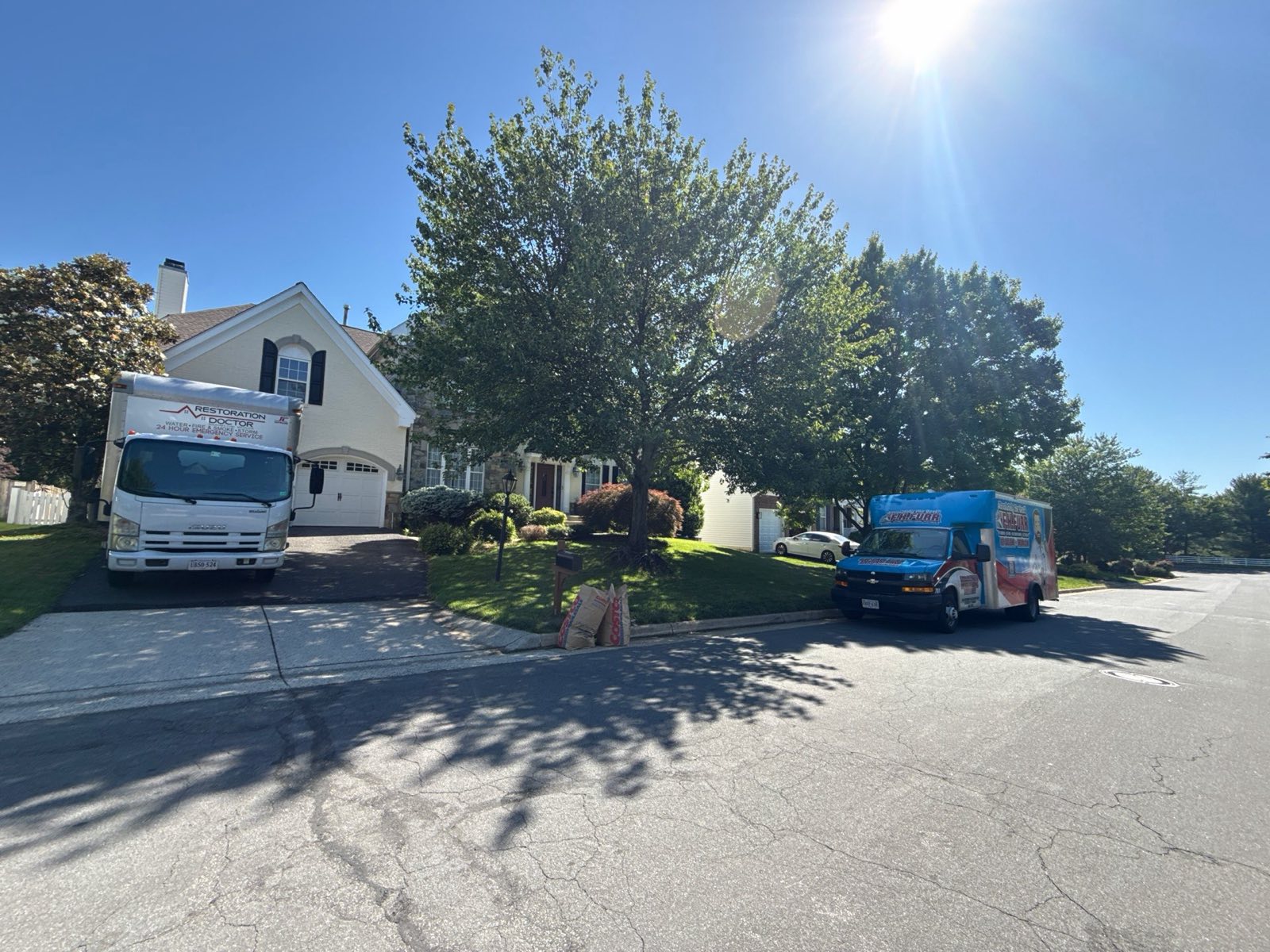
Hurricane & Storm Damage Restoration in Miami
Board-up, roof tarping, surge and flood extraction, and structural drying after hurricanes and tropical storms — with the wind-versus-water documentation Miami-Dade claims demand.
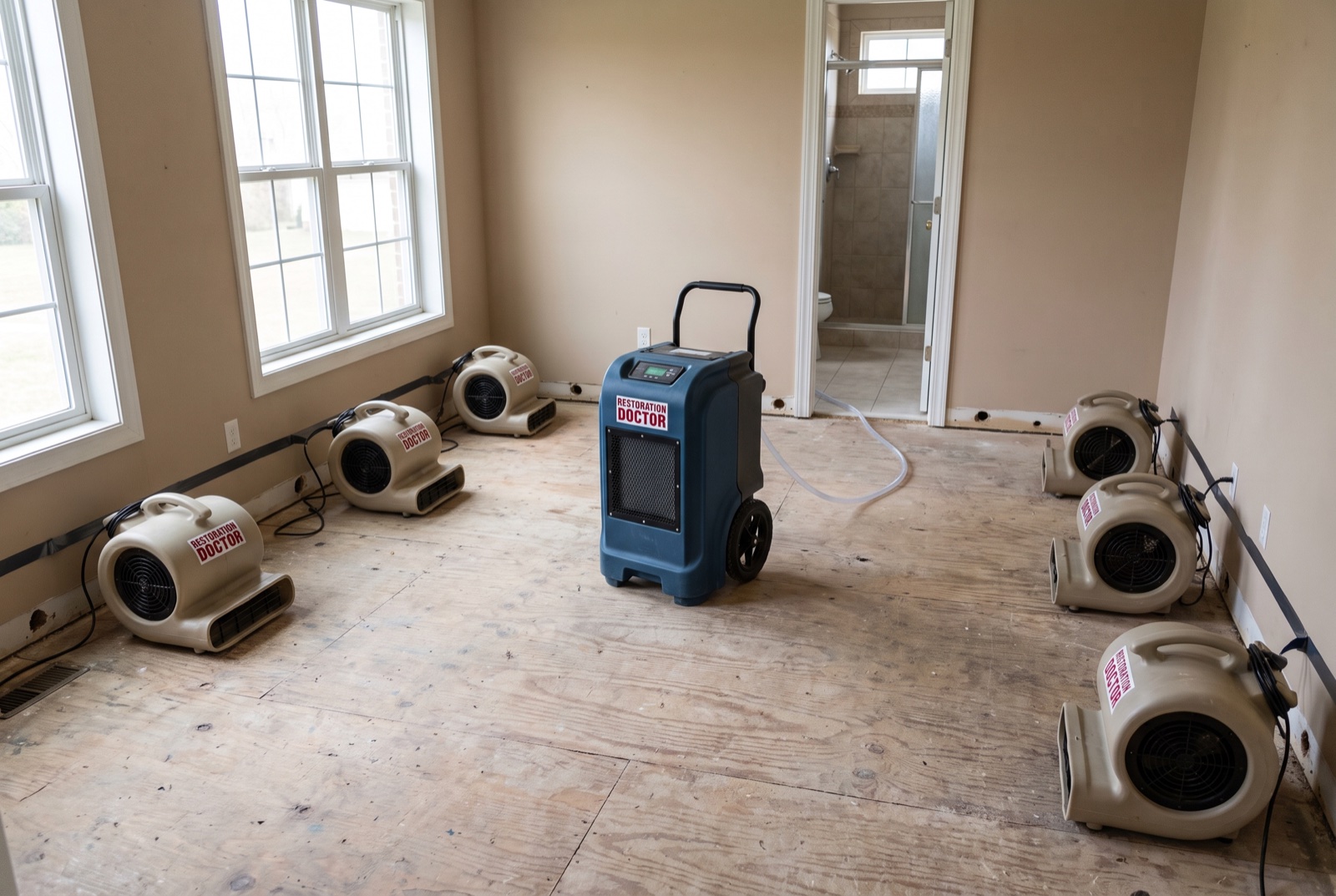
The equipment this work takes
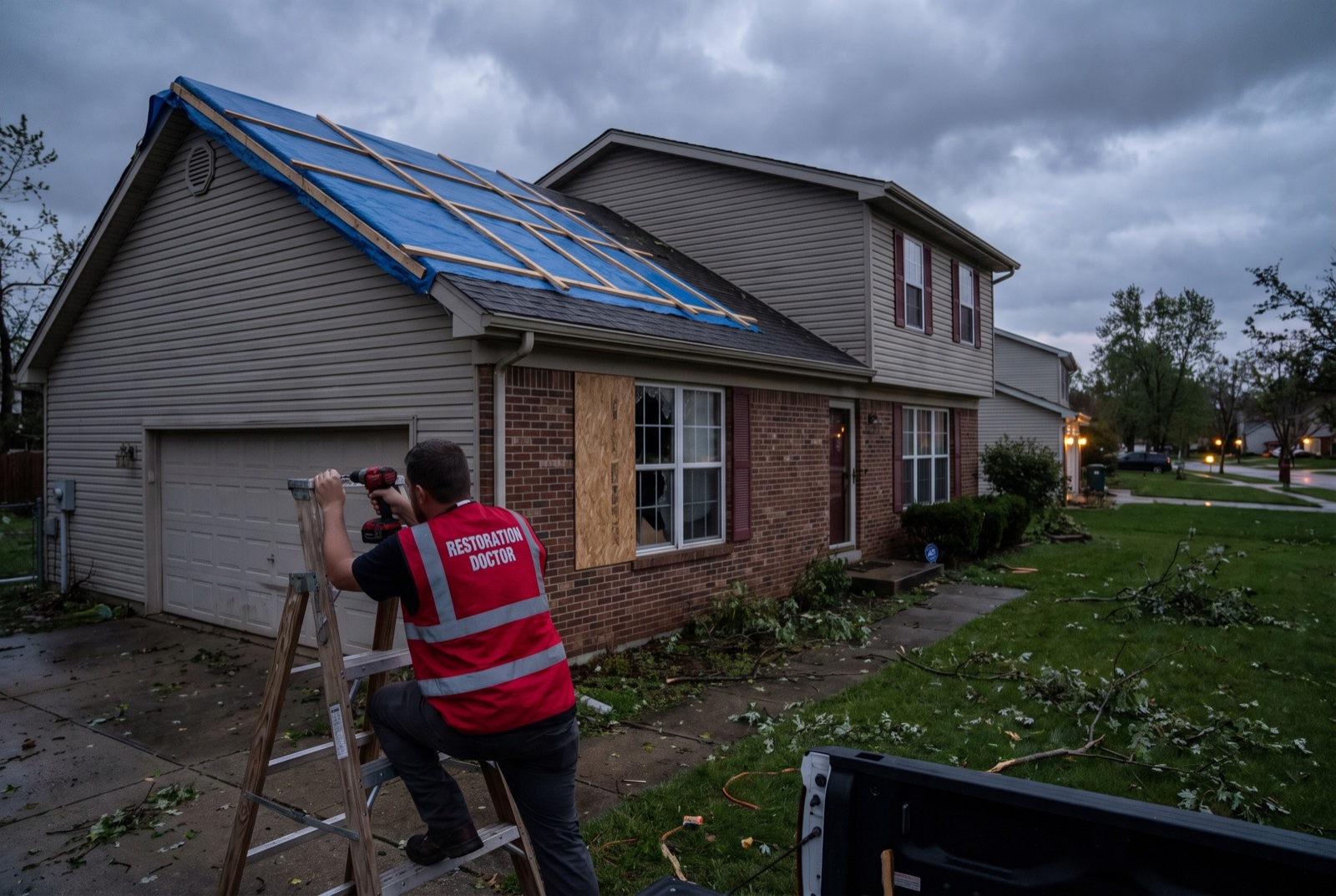
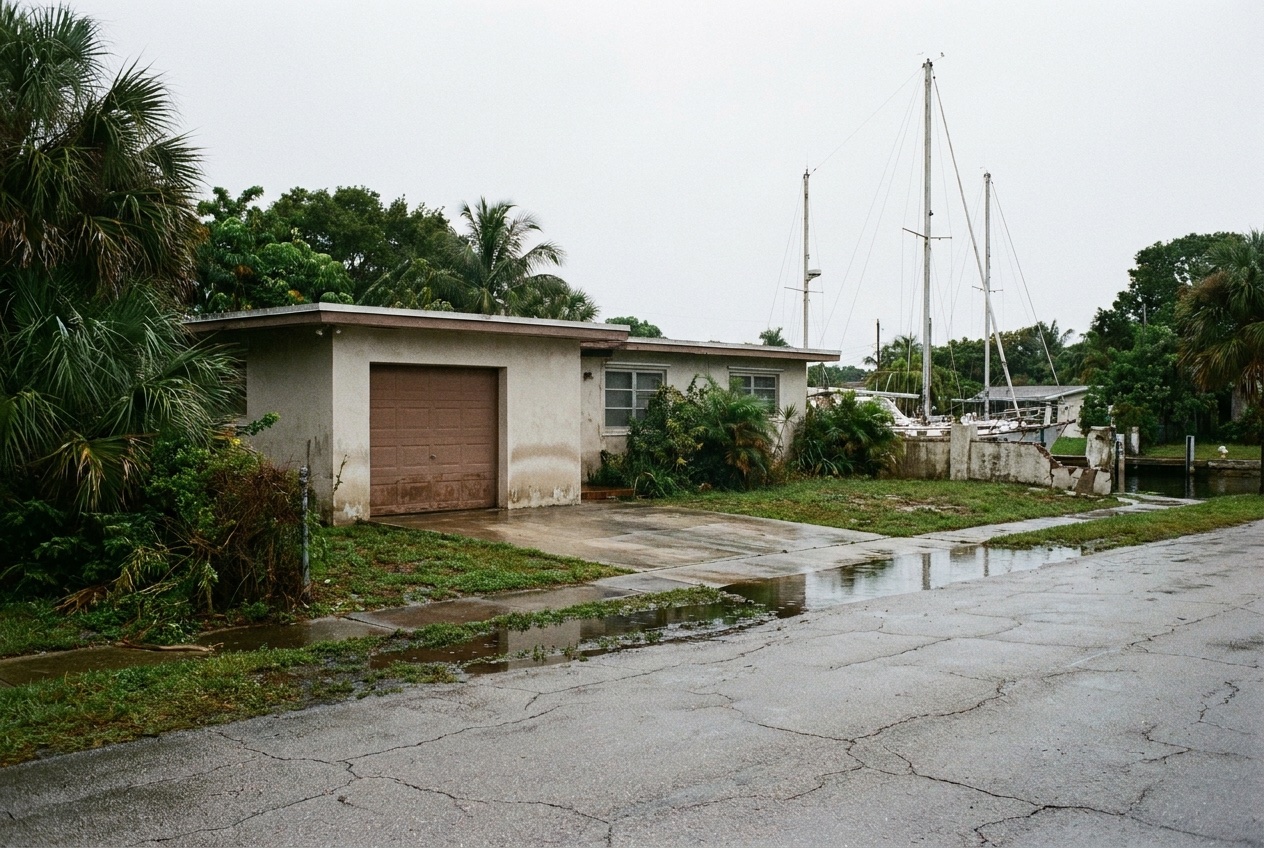
Illustrative views of the gear our crews stage on this class of loss — shown to explain the process, not as photos of any specific customer job.
In Miami-Dade, hurricane season is a calendar entry, not a shock
From June through November, every property owner from Cutler Bay to Homestead lives under the same standing forecast. Hurricane damage restoration in Miami therefore begins long before any storm has a name: knowing where your main water shutoff is, photographing your property's pre-storm condition, clearing the scuppers and canal-side drains, checking that your seawall cap is sound, and saving a restoration contractor's number before the power goes out. After landfall the cell networks jam and every contractor's phone rings at once. The owners who recover fastest are the ones who prepared as though the storm was certain — because across enough seasons on this coast, one is.
Restoration Doctor of Miami staffs and stocks deliberately for storm season and dispatches into Miami-Dade from our South Florida operations center. That means generator-capable drying equipment for the days the grid is down, board-up material stockpiled before the first watch posts, and crews organized to move into Miami rather than being trapped behind a single closed bridge. When a named storm strikes anywhere in South Florida, regional mitigation demand outruns capacity within hours — a reality we plan around instead of pretending away.
Our post-storm sequence is triage first: make the structure safe and weather-tight, then remove water, then establish drying. A home with a breached roof off the barrier island cannot be dried while the sky is still getting in, so emergency board-up and tarping lead, and mechanical drying follows the instant the envelope is closed.
Surge up the Miami River, wind-driven rain, and why the difference decides your claim
A hurricane damages Miami-Dade buildings through two different mechanisms that leave two different signatures. Storm surge and rising water enter at grade — pushed up the Miami River and the canal network, over aging seawalls, and through garages, ground-floor doors, and low vents. Surge carries silt, marine debris, brackish contamination, and whatever the streets held, and it leaves a visible waterline. Under IICRC S500 it is grossly contaminated Category 3 water, which means the porous materials it touched are removed rather than dried, and the whole flood zone is cleaned and treated, not simply dried out. In a canal city where the water is always close, surge reaches deeper inland than newcomers expect.
Wind-driven rain is the opposite pattern. Hurricane-force wind pressurizes rain through roof breaches, lifted tiles or shingles, failed flashing, window and sliding-door tracks, then the water tracks through attic insulation and wall cavities to surface as ceiling stains and wet drywall rooms away from where it entered. It starts cleaner than surge but hides far better, and in Miami-Dade humidity, hidden storm water inside an envelope becomes a mold problem on a short clock.
The distinction is also an insurance fault line, and Miami owners deserve a clear-eyed read on it. Standard Florida homeowner policies generally cover wind but exclude flood; flood is a separate policy, most often through the National Flood Insurance Program or a private flood carrier — and given how much of Miami-Dade sits in a flood zone, many owners carry both. After major storms, disputes over whether a given loss was wind (one policy) or rising water (another policy, or none) are a documented reality here. We are not adjusters and we do not argue causation with your carrier for you. But we document with that reality front of mind: waterline heights, the direction water traveled, entry-point photographs, debris and silt patterns, and moisture mapping that separates top-down intrusion from bottom-up flooding. Policies vary; the physical facts of your loss should not have to.
Emergency board-up, tarping, and stabilizing the structure
A breached building keeps injuring itself after the storm passes. Every trailing rainband through an open roof, every night of saturated air pouring through a broken slider, adds scope. Our first crews on site stabilize: plywood board-up of broken glazing and doors, engineered tarping over roof breaches anchored to survive the gusty days that follow a hurricane, temporary shoring where structural members are compromised, and safe isolation of storm-damaged electrical circuits pending proper repair. On canal and waterfront properties we also flag compromised seawalls and undermined ground-level slabs so they can be assessed before anyone works below them.
Stabilization is also the first documented phase of your claim. Florida policies generally require owners to take reasonable steps to prevent further damage after a loss — mitigation is an obligation, not an extra — and a dated record of prompt board-up and tarping demonstrates exactly that. We photograph conditions before and after stabilization so the file shows both what the storm did and what we did about it.
Once the envelope is secured, water removal and drying begin: extraction of standing water, removal of surge-contaminated porous materials, controlled demolition where saturation demands it, and a closed drying system with dehumidification sized to the load. The category determination — surge-contaminated versus rain-wetted — governs how aggressive removal must be in each area, and we record that determination room by room so the file reflects two different loss mechanisms under one roof.
The post-storm backlog, and protecting your place in line
After a major Miami-Dade landfall, regional restoration capacity is oversubscribed for weeks. Equipment runs scarce, out-of-town crews of wildly uneven quality pour in, and some owners wait long enough that a wind loss grows a mold loss on top of it. Two pieces of practical advice follow. First, engage a contractor immediately — even if crews cannot arrive for a day, being in a real dispatch queue with your loss documented beats cold-calling on day four. Second, be wary of storm-chasing operators who demand large cash deposits, pressure you to sign paperwork you have not read, or cannot show local presence and verifiable references. Miami sees a wave of contractor fraud after every serious storm.
Our commitment during storm events is honest queue transparency: when you call (888) 293-5663, we tell you plainly where you stand and what interim steps to take yourself — shutting off water and damaged circuits, moving contents out of wet rooms, photographing everything before touching anything. Interim self-help protects both your property and your claim while professional crews work the backlog.
On cost, post-storm work spans an enormous range — from a few thousand dollars for tarping and a modest dry-out to well into six figures for a surge-flooded waterfront home needing gut-level mitigation. Ranges are honest; storm-week flat quotes over the phone are not. Every project gets a written scope, and material changes to that scope are documented in writing as they are discovered.
Frequently asked
Active water, mold, fire, or sewage event?
Connect directly with the Restoration Doctor team for your region. Crews are on standby 24/7 with documented response protocols.