
Water Damage Restoration in Miami Beach
Water damage restoration Miami Beach owners search for is, more than almost anywhere in South Florida, a question about the tide. Miami Beach is a barrier island — a narrow strip of low, filled land between the Atlantic and Biscayne Bay — and it floods on sunny days. The city has become the national poster child for king-tide 'sunny-day' flooding, raising roads and installing pumps precisely because bay water routinely wells up through storm drains onto its streets with no storm in sight. Layer Art Deco and MiMo hotels and condos over that geography and you get a neighborhood where tide, salt, and dense occupancy drive the losses. Restoration Doctor of Miami responds 24/7 at (888) 293-5663.
The island's building stock concentrates the exposure. Historic low-rise Art Deco hotels and apartment houses, mid-century MiMo towers, and modern oceanfront and bayfront high-rise condos all sit at low elevation on a barrier island, with ground floors, garages, lobbies, and mechanical rooms close to a waterline that is rising. When the tide comes up or a storm pushes surge, that brackish, contaminated water reaches the spaces the island can least afford to lose — and it leaves salt behind that keeps working long after the water is gone.
We treat a Miami Beach loss as a tidal, saltwater, high-occupancy problem. Here is how the barrier-island geography, king tides, and dense hotel-and-condo construction shape restoration — and why salt changes how a Beach loss is scoped and dried.
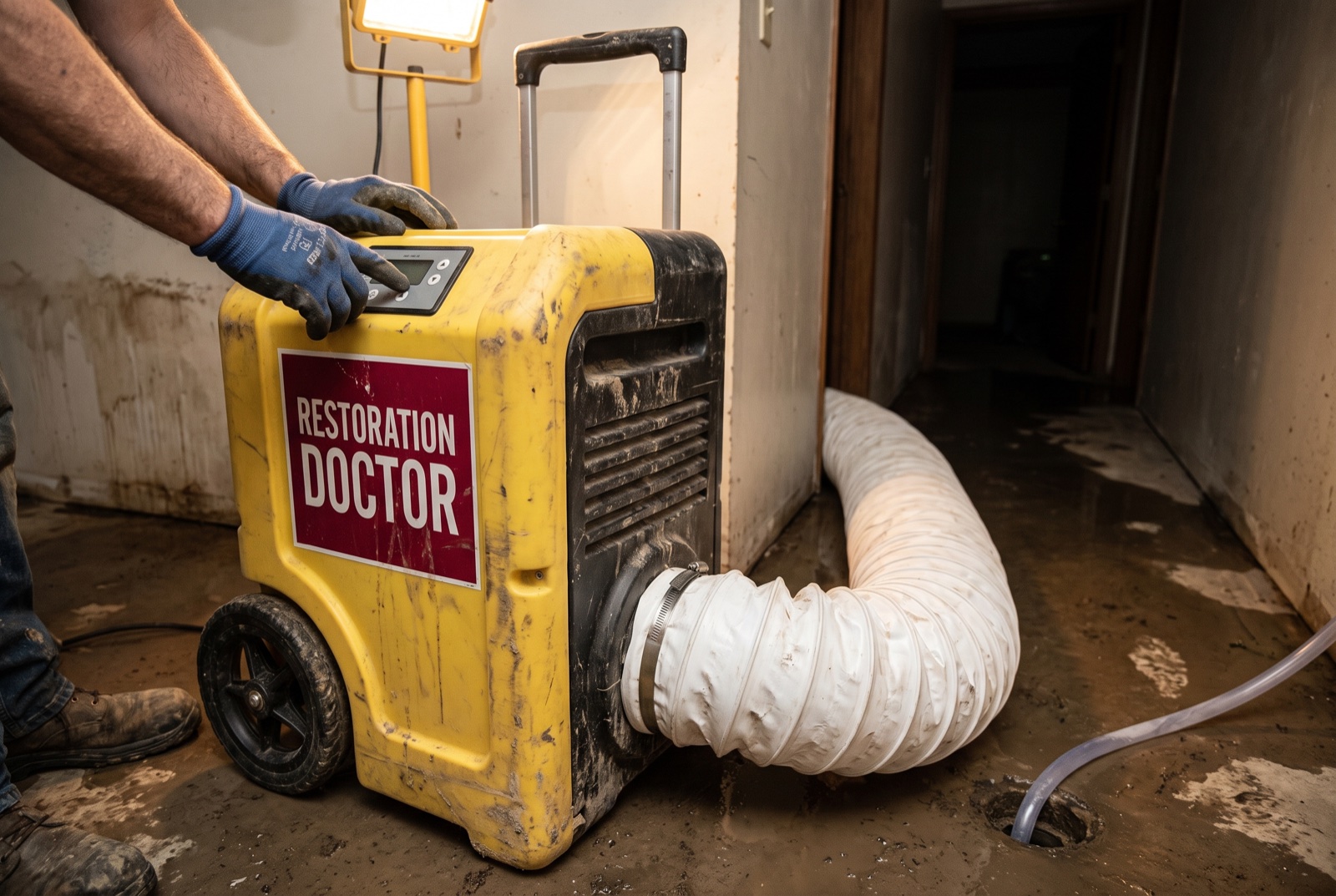
How we dry Miami Beach properties
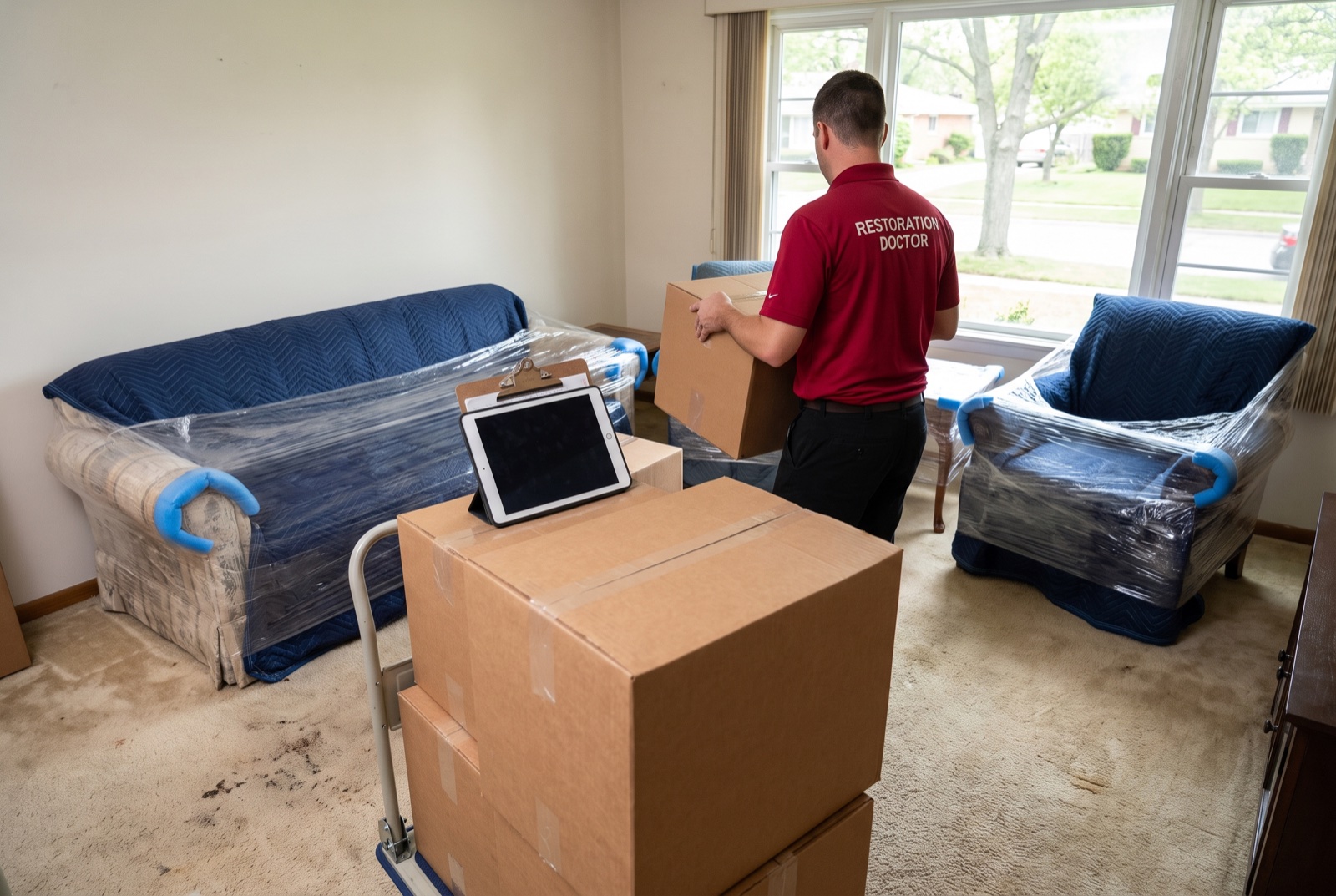
Illustrative views of the equipment and process our crews deploy — extraction, air movers, LGR dehumidification, moisture mapping, and containment.
How water damage behaves in Miami Beach
King tides and sunny-day flooding
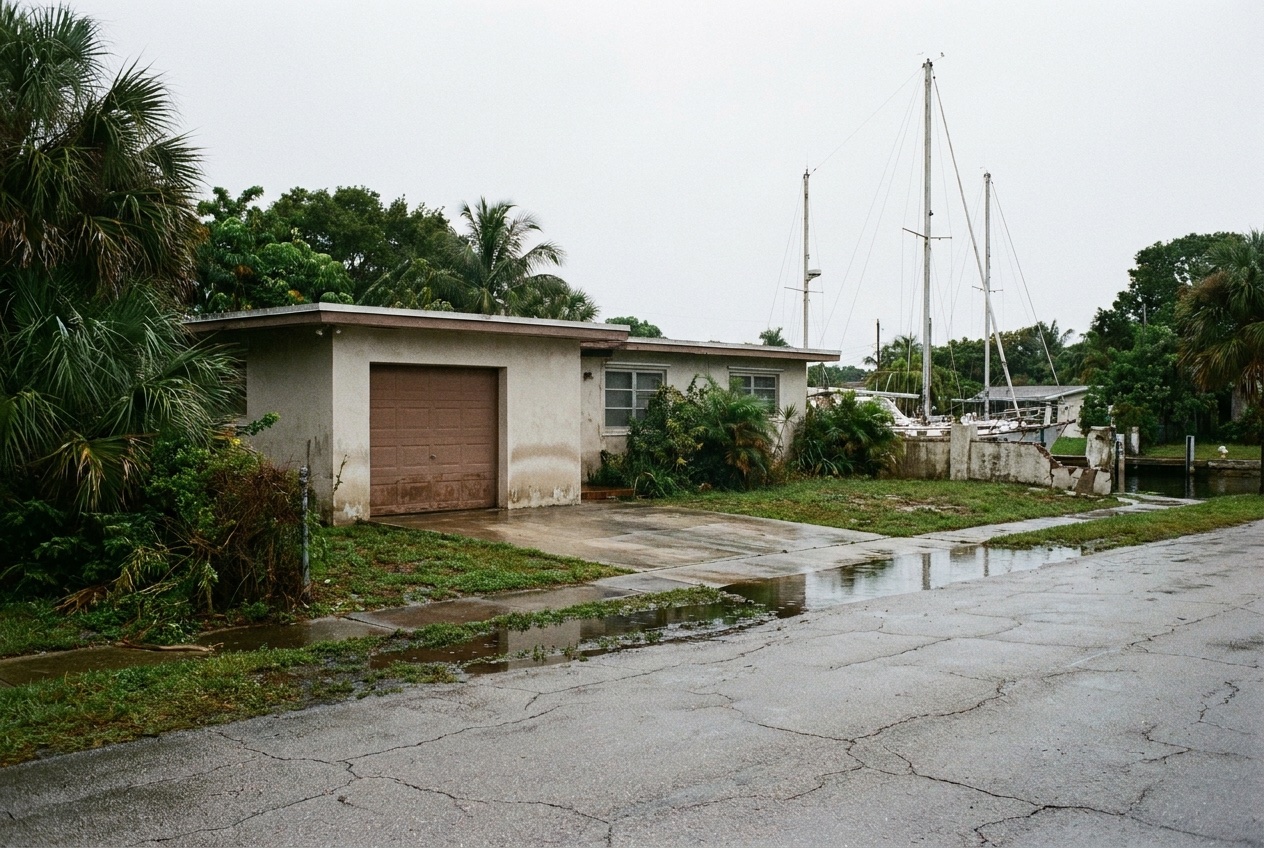
The defining Miami Beach loss is tidal flooding without a storm. Each autumn the king tides push Biscayne Bay up through the island's storm drains and over low seawalls, flooding streets, garages, lobbies, and ground-floor units on clear afternoons — the phenomenon that made Miami Beach famous for raising its roads and running permanent pumps. That intrusion is brackish, contaminated bay water: under IICRC S500 it is extracted, with unsalvageable porous materials removed and surfaces disinfected, not simply dried. On a barrier island the water table is never far down, so even where the street stays dry, rising groundwater can push moisture up into slabs and ground floors.
Salt is what makes tidal loss stubborn. Chlorides left in slabs, wall bases, and fasteners keep pulling humidity and corroding hardware long after things look dry, so a tidal loss is flushed, cleaned, and verified differently than a freshwater pipe break. We document salinity-exposed materials specifically, because the right scope for a saltwater intrusion removes what salt has already claimed rather than trusting a dry surface.
Storm surge, wind-driven rain, and the two-directional loss
As an oceanfront barrier island, Miami Beach faces the full force of hurricane surge and wind-driven rain — and a single storm can flood a building from opposite directions at once. Surge and bay rise push contaminated water in at grade through garages, doors, and low vents, while wind forces rain through roofs, windows, and balcony sliders to track down through cavities and surface as ceiling stains floors below. Post-storm wind-versus-water disputes between property and flood carriers are a Florida reality, and the owner's best defense is contemporaneous documentation, so we photograph and log each intrusion path separately from first walkthrough through dry-down.
Surge and tidal flooding also sit outside most standard homeowner and condo policies — rising water is generally excluded and covered, if at all, under separate flood insurance such as NFIP, and essentially all of Miami Beach is low, coastal, and mapped. Policies vary and we make no coverage promises, but we document the water's entry path in careful detail, because that classification is decided from evidence. We work for you, not the carrier.
Occupancy, mold, and the owner's authority
Miami Beach buildings are busy and humid, and the mold clock is short. Hotels, short-term rentals, and condos stay occupied and air-conditioned while a loss is worked, and saturated drywall behind a wall on a barrier island can begin supporting growth within a couple of days. We begin extraction and structural drying immediately, monitor to documented targets, and remediate established growth under IICRC S520 with containment so shared air handlers do not carry spores through a full building.
And the decision to begin is yours. As a property or unit owner you choose your restoration contractor and can start emergency mitigation to stop ongoing damage without a carrier's or association's pre-approval. We work for you, not the insurance company — we start on your authorization, decontaminate the salt, dry to a verified standard, and hand you the carrier-ready claim file.
Miami Beach homes and how they fail
Miami Beach layers a century of coastal building on a barrier island. South Beach's historic Art Deco district holds low-rise 1930s hotels and apartment houses in stucco and masonry; the MiMo era added mid-century towers; and modern development stacked oceanfront and bayfront high-rise condos and hotels up and down the island, from South of Fifth to North Beach. The high-rises behave like the towers they are — water rides the concrete deck and shared risers and surfaces on lower floors — while the historic low-rises behave like old masonry buildings, hiding water in plaster and hollow-tile walls. Both sit low, and both meet the tide at grade.
Salt air and salt water are the constant. Even away from a specific flood, the marine environment corrodes fasteners, fixtures, and mechanical equipment, and when tidal or surge water actually intrudes, the chlorides it leaves in slabs, wall bases, and metal keep drawing humidity and corroding hardware after the surface reads dry. Our drying and decontamination work on the Beach specifically targets salt-exposed materials, and in the dense hotel-and-condo context it coordinates around occupancy — guests, tenants, and associations all in the building while the work runs.
Miami Beach neighborhoods we serve
Real Miami-Dade County communities — and the water losses we most often see in each.
Low southern tip of the island where king tides and surge reach ground-floor units and garages first.
Historic low-rise hotels and apartment houses where old masonry hides water and streets flood on sunny days.
Mid-century and modern oceanfront towers where riser losses migrate down and salt air corrodes systems.
Low bayfront and oceanfront blocks with chronic tidal street flooding and aging condos.
Man-made bay islands ringed by seawalls where king tides intrude at grade on all sides.
Full restoration services in Miami Beach
One operation covers every category — from emergency mitigation to full reconstruction.
Water Damage Restoration
Extraction, structural drying, and moisture verification for pipe failures, king-tide intrusion, and unit-to-unit leaks in Miami homes, condos, and canal-front properties.
Storm & Hurricane Damage Restoration
Emergency board-up, tarping, storm-surge and flood extraction, and post-hurricane structural drying for homes, canal properties, and condo towers across Miami and Miami-Dade County.
Mold Remediation
S520-based mold remediation: containment, HEPA-filtered removal, moisture-source correction, and post-remediation verification for Miami homes, condos, and waterfront properties.
Sewage Cleanup
Category 3 water mitigation: sewage extraction, contaminated material removal, disinfection, and structural drying for backups, drain failures, and tidal surcharge in Miami-Dade County.
Fire & Smoke Damage Restoration
Structure securing, soot and smoke residue removal, odor treatment, and combined fire-and-water mitigation for Miami and Miami-Dade County properties.
Contents Restoration & Pack-Out
Full-chain contents handling for Miami-Dade County: barcode-tracked inventory, pack-out, restoration cleaning, climate-controlled storage, and organized pack-back.
What Miami Beach homeowners look for
Beach owners and operators have watched storm-chasers work the island after every bad tide, and they are right to distrust ratings a company writes about itself. Ours are not self-reported: verified customer reviews for the Restoration Doctor operation are hosted at RestorationDoctorsReviews.com, linked to the genuine Google source rather than pasted onto this page.
Judge the record yourself, then call (888) 293-5663 when the tide comes up into your building.
Frequently asked
Active water, mold, fire, or sewage event?
Connect directly with the Restoration Doctor team for your region. Crews are on standby 24/7 with documented response protocols.